
The Complete Guide to Yacht Insurance, Boating Safety, and Marine Life

There are few luxuries that rival the freedom of life on the water. Whether aboard a sailing yacht crossing open seas or a motor vessel anchored quietly offshore, boating has long represented a rare intersection of freedom, craftsmanship, and escape.
Yet beneath the elegance of modern boating lies an increasingly complex risk environment that many owners underestimate. As vessel technology advances, waterways become more congested, and weather patterns grow less predictable, marine protection has evolved into something far more nuanced than simply carrying an insurance policy.
The conversation today is less about ownership and more about stewardship. Proper preparation, operational discipline, and carefully structured protection have become essential components of responsible boating.
The Modern Realities of Recreational Boating
The global boating industry has expanded significantly in recent years, with continued demand for luxury yachts, performance vessels, sportfishing boats, and long-range cruising craft. According to the National Marine Manufacturers Association, recreational boating participation remains strong, while the United States Coast Guard continues to report thousands of boating incidents annually involving collisions, flooding, onboard fires, mechanical failures, and severe weather conditions.
Many of these incidents occur not because of catastrophic circumstances, but because of small lapses in preparation. A sudden storm system. An overlooked maintenance issue. A fatigued operator. An unfamiliar waterway. A crowded marina approached too quickly.
On the water, seemingly minor decisions can carry disproportionate consequences.
Modern vessels have also become increasingly sophisticated. Advanced navigation systems, stabilizers, onboard automation, digital monitoring equipment, and integrated communications systems have elevated both the experience of boating and the complexity of maintaining it properly. While these innovations improve comfort and performance, they also introduce new operational and insurance considerations that did not exist a generation ago.
Why Marine Insurance Requires Greater Attention
Many boat owners review their marine insurance only at renewal, often assuming the policy automatically evolves alongside the vessel itself. In reality, coverage gaps frequently emerge over time, particularly as vessels appreciate in value, cruising habits change, or onboard equipment becomes more specialized.
One of the most misunderstood distinctions in yacht insurance involves agreed value coverage versus actual cash value coverage. In the event of a major loss, the difference between the two can be substantial, particularly for custom or highly maintained vessels.
Other important considerations often include salvage and wreck removal, navigation territory limitations, environmental liability, mechanical breakdown exclusions, tender coverage, and uninsured boater exposure. Certain policies may also impose strict requirements regarding hurricane preparation, crew usage, or lay up periods.
For larger vessels, liability exposure deserves particular attention. A collision, onboard injury, or watersports related accident can quickly evolve into a complicated legal matter involving multiple parties, marina operators, passengers, or environmental agencies.
Marine insurance, when structured thoughtfully, should function less as a transactional product and more as part of a broader risk management framework.

Weather and the Importance of Preparation
Weather remains one of the most unpredictable variables in boating. Advances in forecasting technology have improved visibility considerably, yet conditions on the water can still change with remarkable speed.
Storm intensity has become an increasing concern within the marine insurance industry, particularly as insurers reevaluate catastrophe exposure and underwriting standards. Many carriers now require more formalized storm preparation procedures, updated marine surveys, and detailed storage or haul out plans before extending or renewing coverage.
Preparation matters not only during severe weather events, but long before they occur.
Routine inspections of bilge systems, batteries, fuel lines, navigation electronics, fire suppression systems, and communication equipment can significantly reduce the likelihood of larger incidents. Vessel documentation, updated appraisals, maintenance records, and photographic inventories also become invaluable when claims arise.
Experienced captains often emphasize that the safest voyages begin well before departure. The same principle applies to risk management.
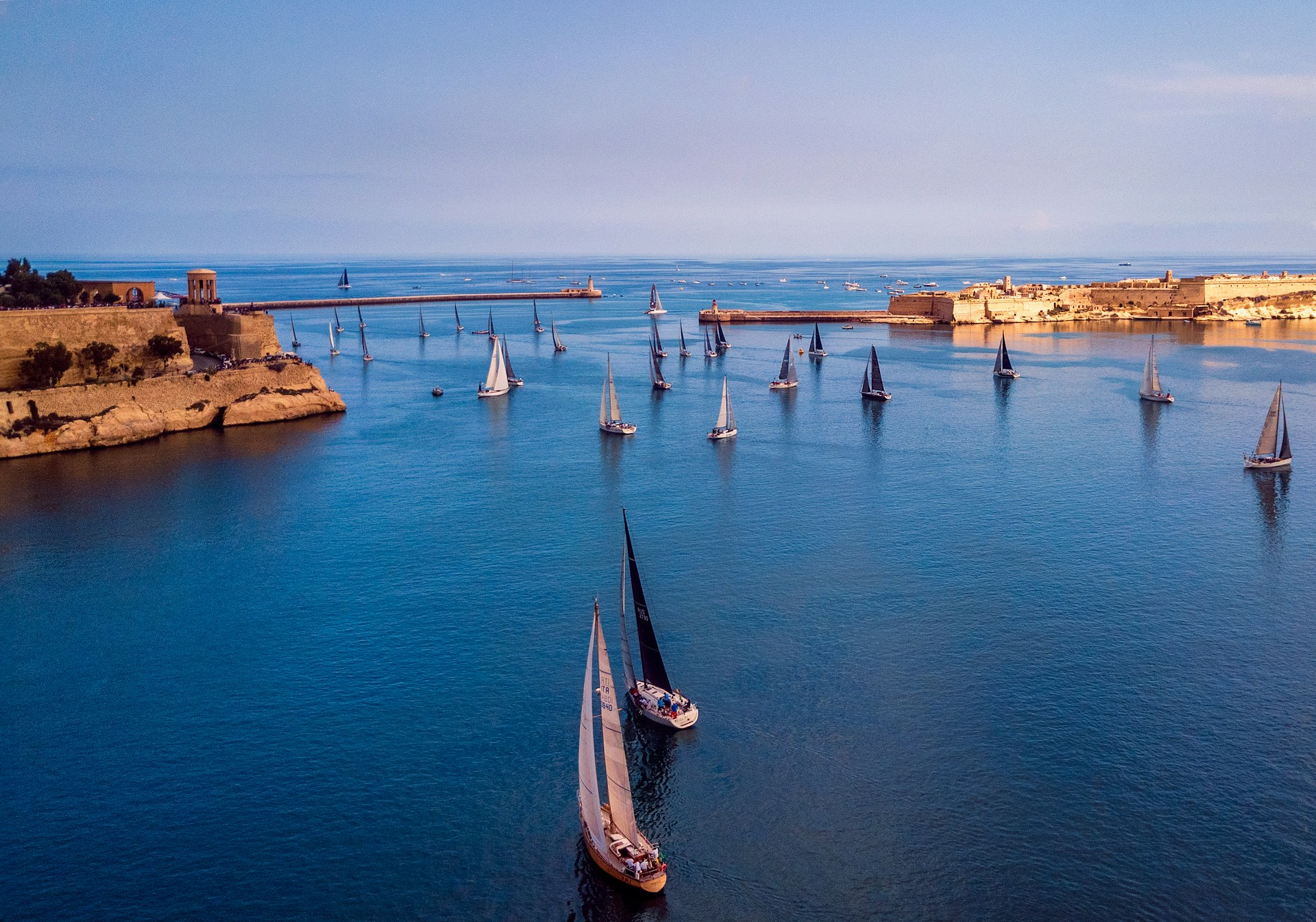
Operational Discipline Still Matters
Despite advances in marine technology, many boating incidents continue to involve remarkably familiar causes. Operator inattention, excessive speed, alcohol use, and insufficient situational awareness remain among the most common contributing factors cited in accident investigations.
According to the National Safe Boating Council, a significant percentage of boating fatalities involve the absence of properly fitted life jackets. Many incidents also occur during routine recreational activities such as swimming, tender usage, docking maneuvers, and nighttime navigation.
The most effective safety practices are often the least dramatic. Careful route planning. Respect for changing weather conditions. Conservative navigation in crowded areas. Maintaining appropriate crew communication. Reviewing emergency procedures before departure rather than during an emergency itself.
Good seamanship rarely attracts attention precisely because it prevents situations from escalating.
There is also growing recognition that boating safety extends beyond physical hazards alone. Carbon monoxide exposure, cybersecurity vulnerabilities within modern navigation systems, and contamination risks in certain waterways have all emerged as broader operational considerations in recent years.
As vessels become more technologically integrated, the definition of preparedness continues to evolve.
The Value of Thoughtful Risk Management
The most effective marine protection strategies are often the least visible. They exist quietly in the background through well-structured insurance policies, clearly documented ownership arrangements, disciplined maintenance practices, and careful operational planning.
This does not diminish the spontaneity or enjoyment of boating. If anything, it enhances it.
Confidence on the water rarely comes from assuming risks will never materialize. It comes from understanding them clearly, preparing appropriately, and knowing that unexpected events can be managed without unnecessary disruption.
Boating has always carried elements of unpredictability. That uncertainty is part of what makes the experience compelling. The objective is not to eliminate risk entirely, but to approach it intelligently.
At Guzhuna, we believe thoughtful risk management should feel measured, discreet, and deeply aligned with the way clients actually live and travel. Our role is not simply to help clients secure coverage, but to provide clarity around complex exposures that often accompany vessel ownership and life on the water.
Because the most enjoyable journeys are rarely the ones without uncertainty. They are the ones undertaken with preparation, perspective, and confidence.
Request a complimentary risk review today.
About the Author
Jori Guzhuna
Jori Guzhuna is the Founder and Chief Executive Officer of Guzhuna Financial Group, where he advises entrepreneurs, executives, and affluent families on sophisticated wealth, risk, and estate planning strategies. His practice focuses on integrating investment management, tax-efficient planning, financial architecture, executive compensation, and asset protection into cohesive long-term plan.
Known for his institutional approach and strategic perspective, Jori specializes in helping clients navigate complex financial environments involving business succession, multigenerational wealth transfer, cross-border planning, and liability management. His work often centers around protecting wealth while creating structures designed to support long-term continuity for families and closely held businesses.
As a fiduciary advisor, Jori brings a disciplined and risk-conscious philosophy to financial planning. He works closely with clients to simplify complex financial decisions and develop customized strategies aligned with their personal, business, and legacy objectives.
In addition to wealth planning, Jori has extensive experience in commercial risk management, employee benefits, executive compensation, and insurance planning. This broad perspective allows him to deliver comprehensive solutions that address both wealth creation and wealth preservation.
Jori earned his bachelor’s degree from New York University.