
Investing in Luxury Assets: Passion, Prestige and Strategic Diversification

The Rise of Luxury Assets in Private Wealth Strategies
For many ultra-high-net-worth families, wealth management today extends beyond traditional allocations to equities, fixed income and private markets. Increasingly, investors are seeking tangible assets that combine personal enjoyment with long-term strategic value.
Luxury assets including watches, fine wine, whisky, collectible automobiles, art and trophy real estate are evolving from lifestyle purchases into intentional components of sophisticated portfolios. In an environment shaped by market volatility, inflation concerns and geopolitical uncertainty, many investors view tangible assets as a way to preserve purchasing power while diversifying away from conventional financial markets.
Unlike purely financial investments, luxury assets often deliver multiple dimensions of return: emotional value, social capital, legacy preservation and potential appreciation over time. For families focused on long-term wealth continuity, these assets can also become meaningful intergenerational holdings tied to identity, heritage and family governance.
Global Mobility and the International Investor
As affluent families become increasingly global, luxury asset ownership is also becoming more international in scope. Investors today frequently maintain residences, business interests and collections across multiple jurisdictions, requiring a coordinated approach to tax, estate and regulatory planning.
Cross-border considerations now play a significant role in wealth strategy. Jurisdictional stability, tax efficiency, asset protection frameworks and quality of life increasingly influence where families choose to establish residency, hold property and structure ownership entities.
Prime real estate continues to remain a cornerstone allocation for many UHNW investors, particularly in globally desirable markets with constrained supply and long-term demographic demand. Beyond appreciation potential, luxury real estate can serve broader strategic purposes, including family governance, residency planning, business continuity and legacy preservation.
At the same time, investors are increasingly exploring niche luxury sectors that may provide differentiated return profiles and unique planning opportunities.


Fine Wine and Whisky: Scarcity as an Investment Thesis
The markets for fine wine and rare whisky continue to attract sophisticated collectors and investors seeking tangible stores of value supported by global demand and finite supply.
Investment-grade wine and spirits derive value from several core characteristics:
- Limited production
- Strong producer reputation
- Provenance and authenticity
- Storage quality
- International collector demand
- Long-term scarcity dynamics
Unlike speculative assets driven primarily by short-term momentum, fine wine and whisky investments tend to reward patience and disciplined selection. Many allocations are held over multi-year or multi-decade horizons, particularly for rare vintages and limited releases.
The global marketplace have also increased transparency and liquidity within collectible markets, allowing investors to monitor pricing trends, market depth and global demand patterns with far greater sophistication than in previous decades.
However, these markets remain highly specialized. Storage conditions, insurance, authenticity verification and exit liquidity all require sophisticated due diligence. Investors should approach the space with the same rigor applied to private equity.
Watches and Collectibles: Understanding Market Cycles
Luxury watches remain one of the most visible segments of the collectible asset market. Certain models from globally recognized brands have experienced substantial appreciation over the past decade, driven by constrained supply, collector culture and expanding international demand.
Yet the watch market also illustrates the importance of timing, liquidity and selectivity.
Not every luxury watch appreciates in value, and short-term pricing can be heavily influenced by macro liquidity conditions, consumer sentiment and social media-driven demand cycles. Investors who succeed in this space typically focus on:
- Production scarcity
- Historical significance
- Brand strength
- Collector demand
- Secondary market liquidity
- Long-term cultural relevance
The most resilient collectible markets are often those supported by enduring brand equity and multigenerational demand rather than temporary speculation.
For sophisticated investors, watches and other collectibles may serve less as standalone investments and more as complementary stores of portable wealth that can integrate into broader estate and legacy planning strategies.
Passion Investments and Strategic Tax Planning
One of the more sophisticated trends among affluent investors is the intersection of passion assets and tax-efficient investment structuring.
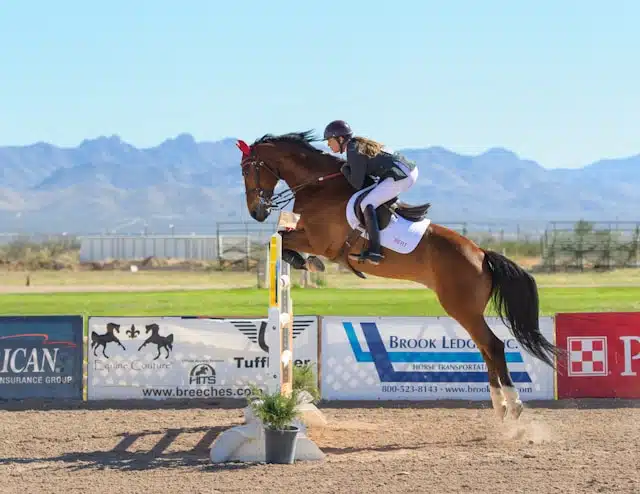
Areas such as thoroughbred racing, equine operations, vineyards, hospitality ventures, specialty agriculture, collectible automobiles and certain experiential luxury businesses may offer unique planning opportunities when approached as properly structured operating businesses rather than purely recreational activities.
Equine investments, in particular, have long attracted sophisticated investors due to the potential combination of lifestyle alignment, business structuring flexibility and long-term estate planning considerations. When managed appropriately with operational substance and economic intent, these ventures can become part of a broader wealth architecture rather than simply a personal hobby.
Similarly, certain luxury real estate holdings including hospitality assets, ranch properties, vineyards and mixed-use legacy estates may provide operational, tax and succession planning benefits when integrated into family’s generational wealth plan.
The key distinction is that these strategies require institutional-grade planning, legal compliance and governance. Investors should avoid viewing luxury passion assets solely through the lens of consumption. Proper structuring is what transforms certain lifestyle investments into strategic components of a comprehensive wealth plan.
Tax Complexity Requires Sophisticated Coordination
Luxury assets often exist outside traditional custodial and reporting frameworks, creating unique tax and valuation challenges.
Depending on the asset type and jurisdiction, investors may encounter issues involving:
- Capital gains taxation
- Estate and inheritance taxation
- Trust reporting obligations
- Cross-border ownership rules
- Valuation disputes
- Insurance structuring
- Import/export restrictions
- Sales and use tax exposure
- Legal compliance requirements
Additionally, different asset classes may receive substantially different tax treatment. Some collectible categories may qualify for favorable treatment under specific circumstances, while others may face higher collectible tax rates or specialized reporting obligations.
For internationally mobile families, these considerations become even more complex when assets are held across multiple jurisdictions or transferred across generations.
As a result, luxury asset ownership increasingly requires collaboration among wealth advisors, tax and estate attorneys, insurance specialists and valuation professionals.
Luxury Assets as Part of a Holistic Wealth Strategy
Luxury assets should not be viewed merely as discretionary purchases. When integrated thoughtfully, they can play a meaningful role within a sophisticated private wealth framework.
For many UHNW families, these investments serve several strategic purposes simultaneously:
- Diversification beyond public markets
- Inflation-sensitive exposure to real assets
- Legacy and succession planning
- Family engagement across generations
- Lifestyle alignment and personal fulfillment
- Potential tax efficiencies
- Preservation of portable wealth
The same principles that drive successful long-term investing in traditional markets; quality, scarcity, durability and disciplined selection, often apply equally within luxury asset markets.
At Guzhuna, we believe luxury assets should be evaluated within the context of a comprehensive wealth strategy rather than as isolated acquisitions. Properly integrated, these holdings can complement broader investment objectives, enhance family legacy planning and create opportunities that extend well beyond financial return alone.
Let's start a conversation today.
About the Author
Jori Guzhuna
Jori Guzhuna is the Founder and Chief Executive Officer of Guzhuna Financial Group, where he advises entrepreneurs, executives, and affluent families on sophisticated wealth, risk, and estate planning strategies. His practice focuses on integrating investment management, tax-efficient planning, financial architecture, executive compensation, and asset protection into cohesive long-term plan.
Known for his institutional approach and strategic perspective, Jori specializes in helping clients navigate complex financial environments involving business succession, multigenerational wealth transfer, cross-border planning, and liability management. His work often centers around protecting wealth while creating structures designed to support long-term continuity for families and closely held businesses.
As a fiduciary advisor, Jori brings a disciplined and risk-conscious philosophy to financial planning. He works closely with clients to simplify complex financial decisions and develop customized strategies aligned with their personal, business, and legacy objectives.
In addition to wealth planning, Jori has extensive experience in commercial risk management, employee benefits, executive compensation, and insurance planning. This broad perspective allows him to deliver comprehensive solutions that address both wealth creation and wealth preservation.
Jori earned his bachelor’s degree from New York University.